
LYMPHATIC RECONSTRUCTION FOR BRAIN DISEASE
Is there evidence demonstrating the impact of the LVA/LNVA procedure in the neck?
Clinical studies and publications are summarized herein by MMI and are not intended to mislead or omit information.
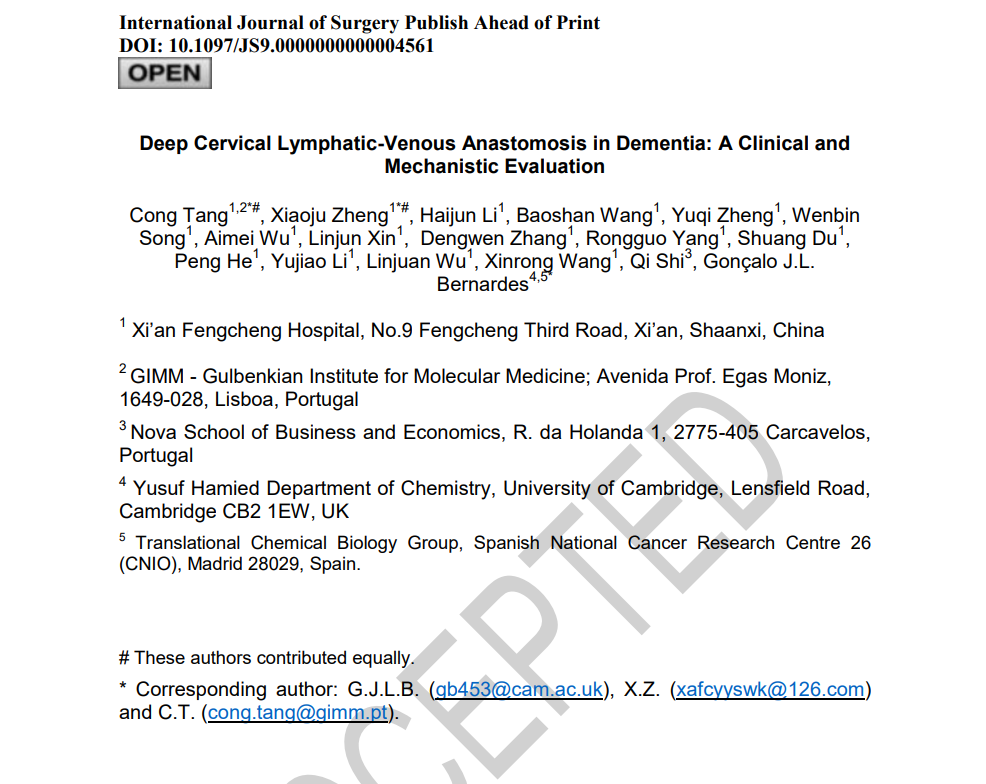
Deep cervical lymphatic-venous anastomosis in dementia: a clinical and mechanistic evaluation
Method: Twenty-eight patients with advanced dementia underwent deep cervical lymphatic-venous anastomosis (dcLVA) microsurgery with cognitive performance measured pre- and post-operatively.
Finding: dcLVA led to cognitive and functional improvements in patients with advanced dementia (MMSE, MoCA, ADL, ABS, bowel and bladder, sleep, emotional).
Limitation: The study was an exploratory single-arm study, lacking a control group. It included a small sample size with attrition.
A surgical therapy for Alzheimer’s disease with lymphaticovenular anastomosis
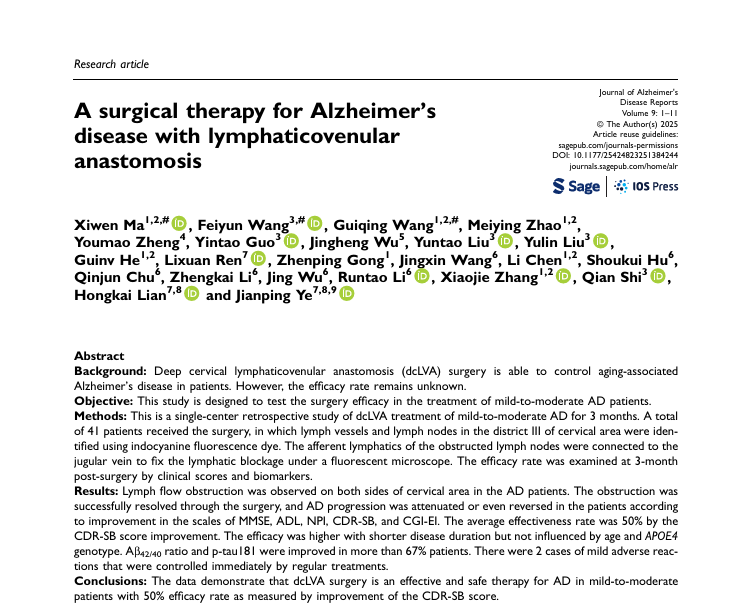
Focus: Evaluates the efficacy and safety of dcLVA surgery as a therapeutic intervention for mild-to-moderate Alzheimer’s disease (AD) patients.
Method: Single-center retrospective analysis involving 41 mild-to-moderate AD patients who underwent dcLVA surgery.
Findings:
1. Deep cervical lymphatic flow restored
2. 50% efficacy rate based on CDR-58 and improved biomarkers
3. Safety and tolerability of the procedure
Limitation: This is a single-center retrospective study, limiting observations to comparisons between baseline and 3-month post-surgery conditions.
Deep cervical lymphovenous anastomosis (LVA) for Alzheimer’s disease: microsurgical procedure in a prospective cohort study
Focus: Evaluate the safety and preliminary efficacy of deep cervical lymphovenous anastomosis (LVA) as a novel surgical treatment to improve cognitive function in Alzheimer’s disease patients by enhancing brain lymphatic drainage.
Method: Single-center, prospective, single-arm exploratory trial in 26 biomarker-confirmed AD patients, performing a modified dCLVA (lymphatic flap-to-vein) and evaluating cognitive function and cerebrospinal fluid biomarkers pre- and post-operatively.
Findings:
1. Approximately 60% of caregivers reported varying degrees of symptom improvement in AD patients one month after dCLVA surgery.
2. Patients showed a significant increase in MMSE scores post-surgery, indicating cognitive improvement.
3. CSF biomarkers showed a trend toward reduction after surgery.
4. The procedure was found to be safe, feasible, and shows promise as a novel therapeutic approach for AD.
Limitation: The study had a limited sample size and a short follow-up period of only one month.

Deep cervical lymphatic–venous anastomosis attenuates cognitive dysfunction and biomarker abnormalities in severe Alzheimer’s disease: A prospective single-arm study
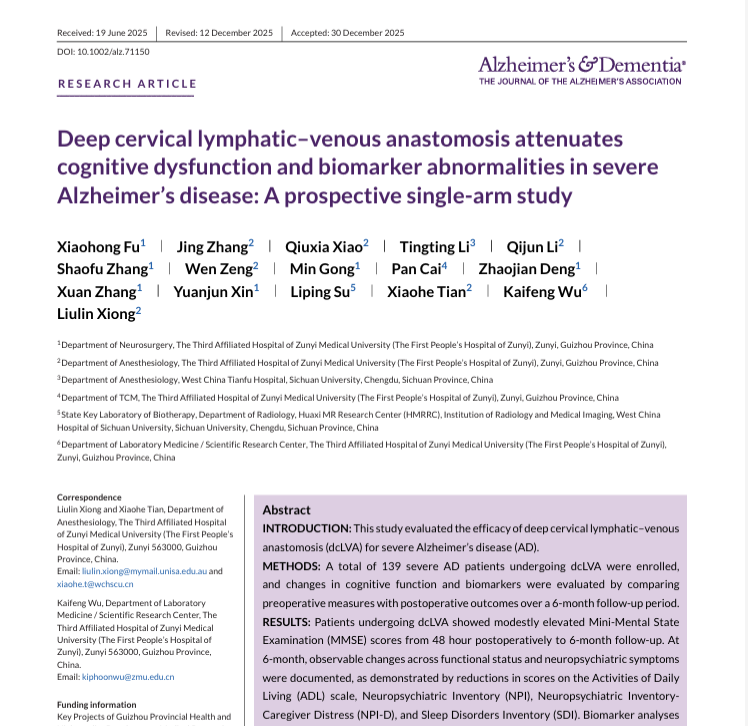
Focus: This study focused on evaluating the efficacy of deep cervical lymphatic-venous anastomosis (dcLVA) in patients with severe AD.
Method: Prospective, single-arm, pre-post study investigating dcLVA surgery in 139 patients with severe AD. Cognitive function, AD-related biomarkers in CSF and plasma, and safety outcomes were evaluated at baseline and at up to 6 months post-surgery.
Findings:
1. Patients showed significant increases in MMSE scores and reductions in ADL, NPI, NPI-D, and SDI scores post-dcLVA.
2. There were significant decreases in CSF biomarkers, alongside increases in plasma Aβ40 and p-Tau217 initially.
3. The dcLVA procedure was found to be safe with an acceptable perioperative risk profile.
Limitation: Given that the patient cohort consisted of patients with severe AD, MMSE improvement is inherently limited, and performance is susceptible to a well-recognized floor effect in advanced neurodegeneration.
Explore questions and research
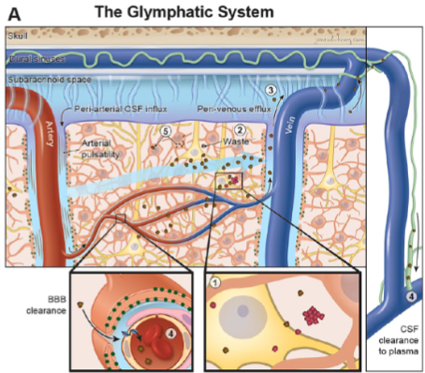
What evidence supports existence of glymphatic and meningeal lymphatic pathways?
Image Source: Nature
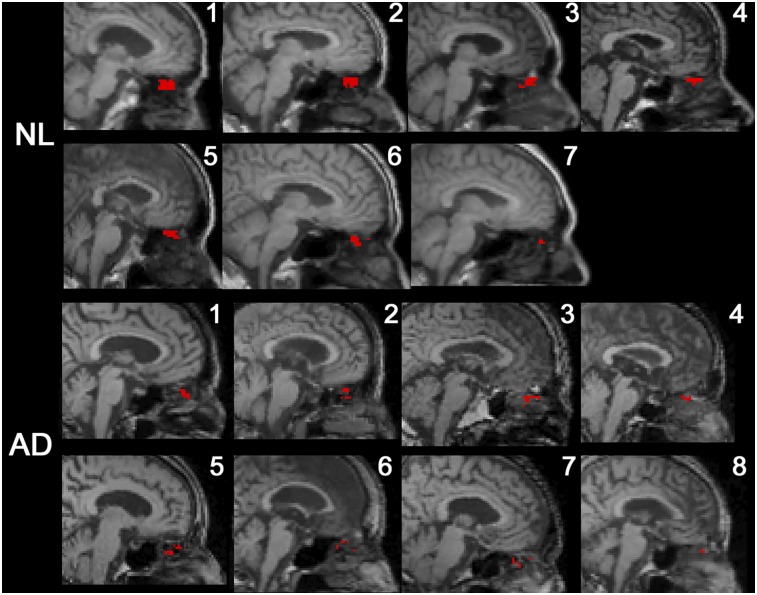
Is there a mechanical problem to be addressed?
Image Source: JNM
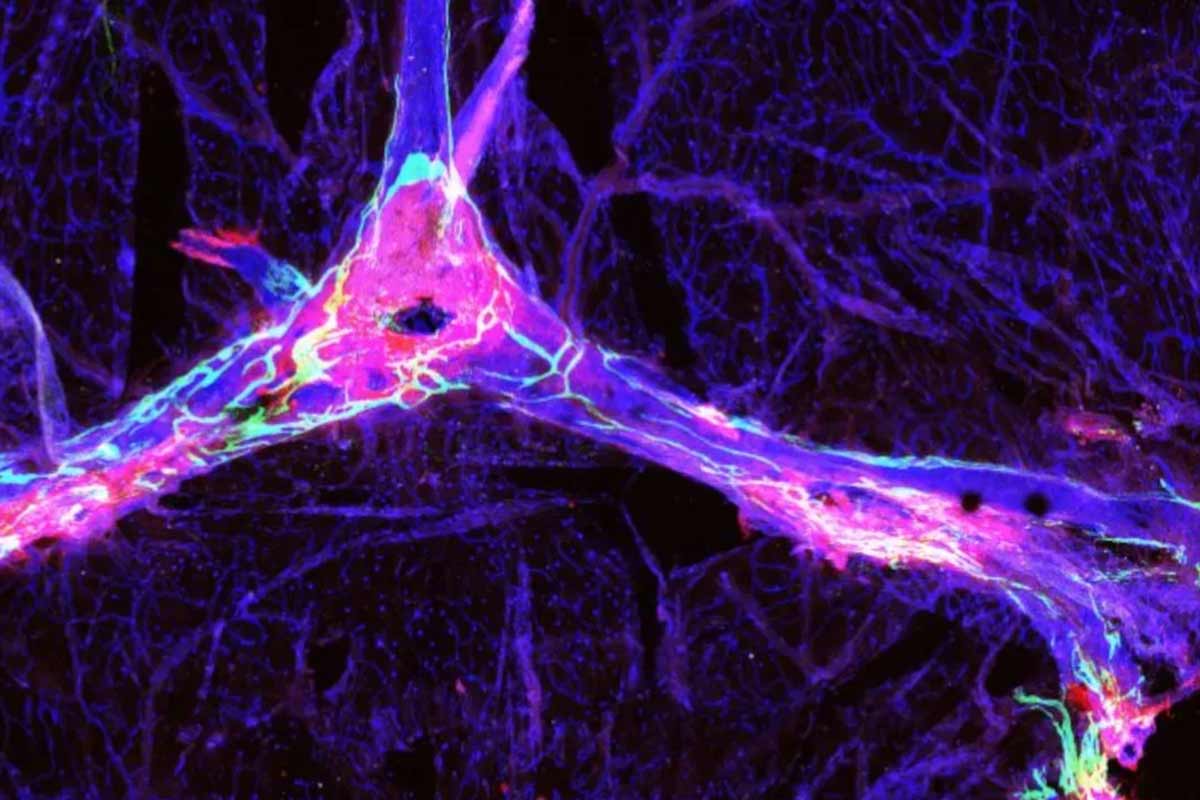
Is there a causal relationship between protein levels and cognitive/functional decline in Alzheimer’s disease patients?
Image Source: NIH News
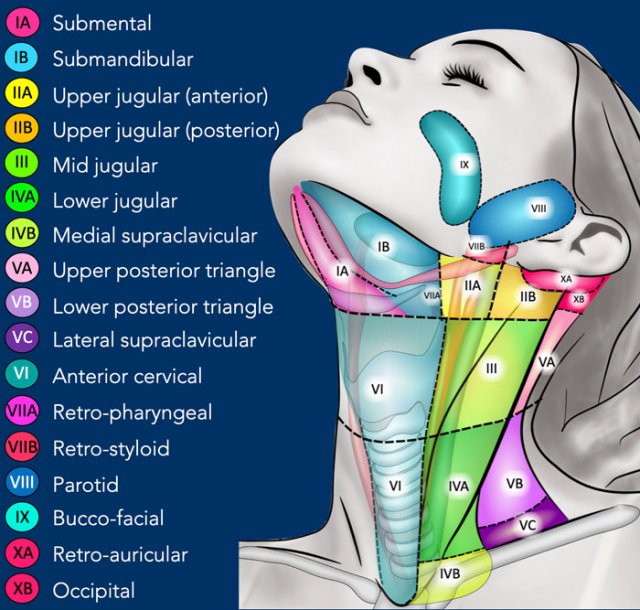
What is the anatomic target for a mechanical solution?
Image Source: The Radiology Assistant: Cervical Lymph Node Map
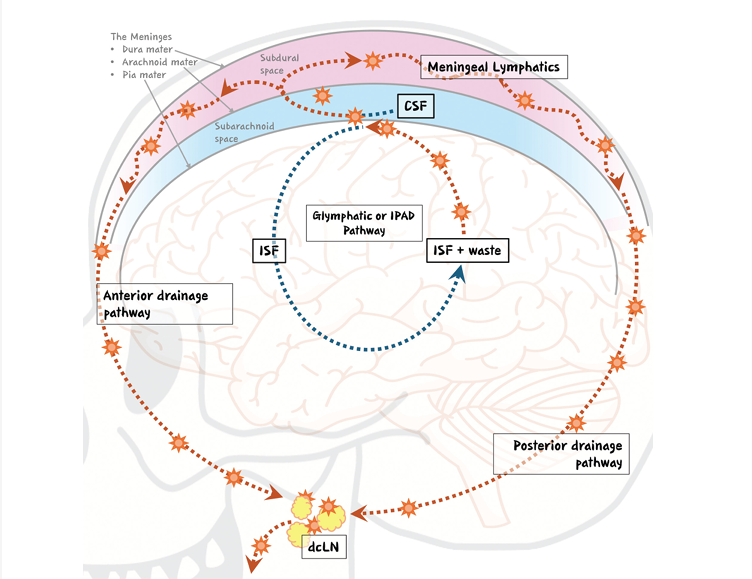
What’s the proposed procedure and should it be done in a supermicro fashion?
Image Source: APS
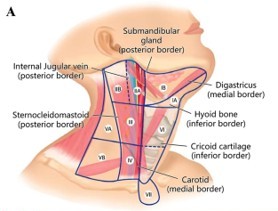
Is there evidence demonstrating the impact of the LVA/LNVA procedure in the neck?
Image Source: International Journal of Surgery

Pharmacologic treatments and severity distribution for Alzheimer’s disease
Image Source: NIH News
The information provided is solely for educational purposes relating to scientific information on the brain lymphatic system. Such summaries are not intended to mislead or omit information. Clinical studies and publications may be summarized herein. Click on each resource to access the full publication.
The safety and effectiveness of the Symani® Surgical System for lymphatic reconstruction for brain disease has NOT been established by any regulatory agency.
The Symani Surgical System is indicated in the U.S. for soft tissue manipulation in open microsurgical procedures to perform:
Anastomosis, suturing, and ligation microsurgery techniques on small blood vessels and lymphatic ducts between 0.1 and 2.5mm in open free-flap surgery of the breast, mouth, scalp, and extremities and in open lymphatic surgery of the extremities.
Dissection of soft tissues.
Clinical indications vary by geography. Refer to global indications for more information. For risks, cautions, warnings, and full prescribing information, please reference Symani safety and performance information.
