
LYMPHATIC RECONSTRUCTION FOR BRAIN DISEASE
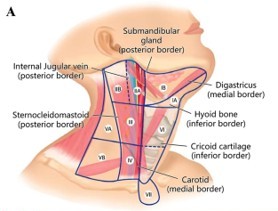
What is the anatomic target for a mechanical solution?
Clinical studies and publications are summarized herein by MMI and are not intended to mislead or omit information.
Association between cervical lymph node dissection and dementia: a retrospective analysis
Focus: Investigate the relationship between cervical lymph node dissection and the development of dementia in patients with head and neck cancer, hypothesizing that obstruction of the brain’s lymphatic drainage pathways due to lymph node removal may increase the risk of dementia.
Method: Retrospective analysis of electronic medical records from 251 patients over 60 years old diagnosed with head and neck cancer who underwent cervical lymph node dissection.
Finding: “Individuals diagnosed with head and neck cancer and subjected to bilateral and comprehensive lymph node dissection demonstrate an elevated propensity toward dementia development.“
Limitation: The study did not explore the severity of dementia or the diagnostic tools used, which is a limitation of retrospective research.
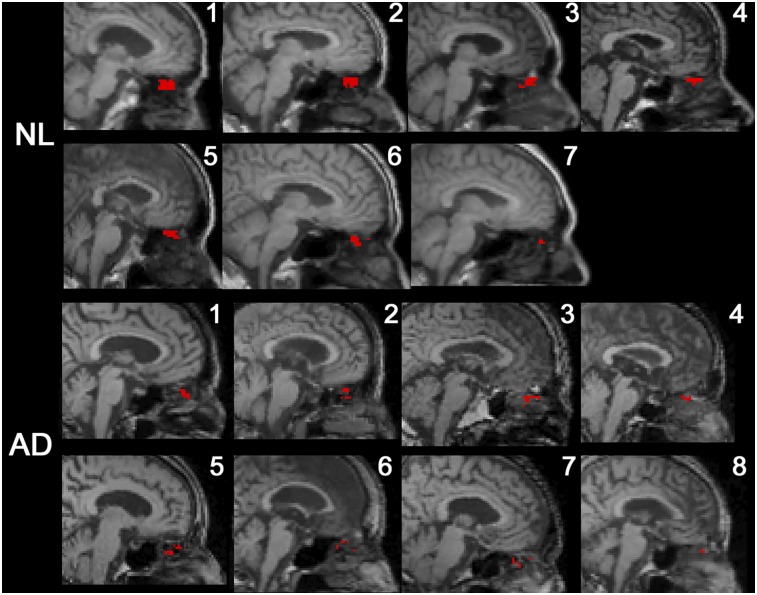
Amyloid-beta is present in human lymph nodes and greatly enriched in those of the cervical region

Focus: The study examines whether Aβ-labeled cells are more abundant in cervical lymph nodes compared to inguinal nodes.
Method: Examined lymph nodes surgically removed from cancer patients, comparing cervical versus inguinal nodes.
Finding: “The overwhelming difference in the number of Aβ-labeled cells in cervical compared to inguinal lymph nodes is interpreted as evidence for clearance of Aβ from the brain via the glymphatic system.”
Rewiring the Brain: The Next Frontier in Supermicrosurgery
Focus: Discusses recent progress made by the Cleveland Clinic team in exploring the therapeutic potential of lymphatic reconstruction for treating Alzheimer’s disease and other brain disorders.
Explore questions and research
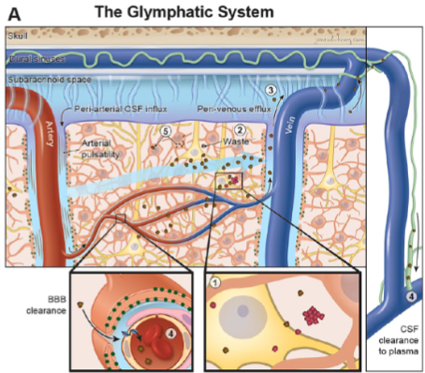
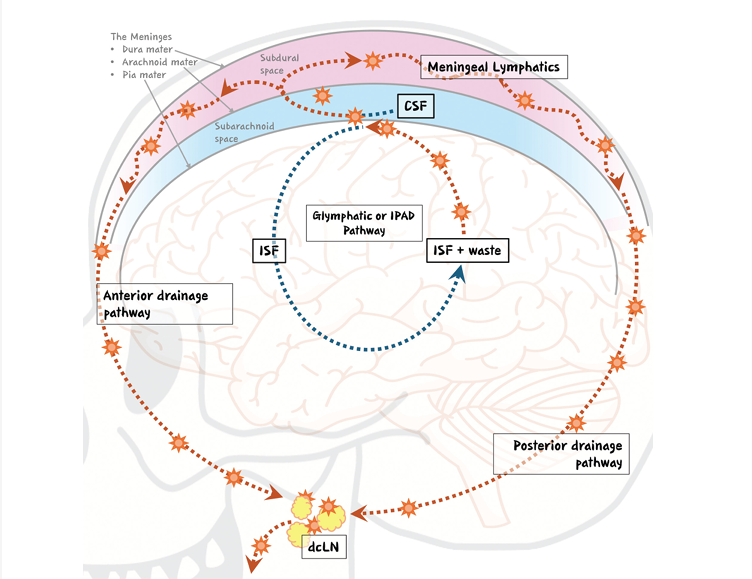
What evidence supports existence of glymphatic and meningeal lymphatic pathways?
Image Source: Nature
Is there a mechanical problem to be addressed?
Image Source: JNM
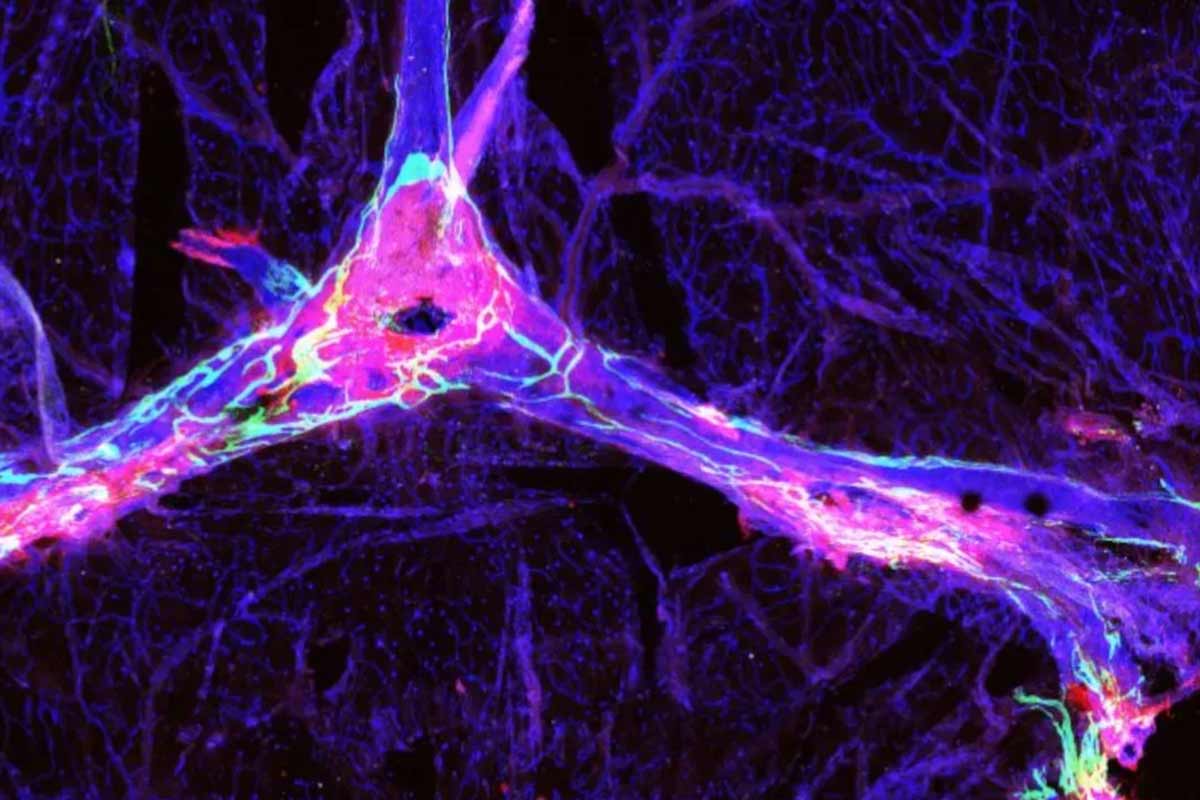
Is there a causal relationship between protein levels and cognitive/functional decline in Alzheimer’s disease patients?
Image Source: NIH News
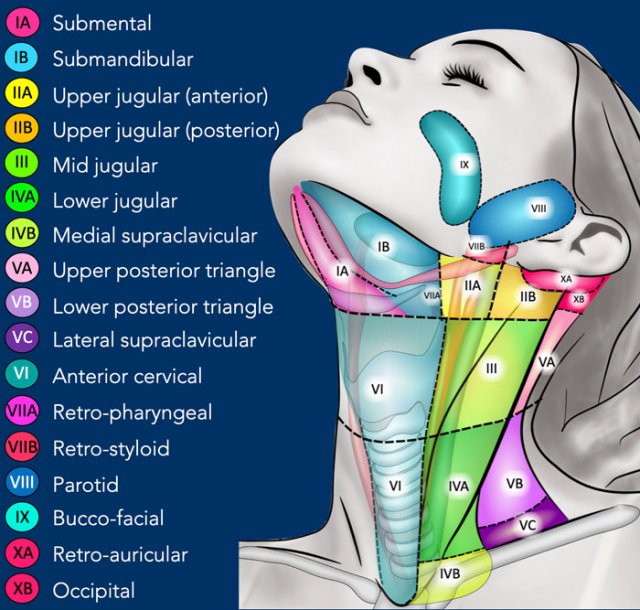
What is the anatomic target for a mechanical solution?
Image Source: The Radiology Assistant: Cervical Lymph Node Map
What’s the proposed procedure and should it be done in a supermicro fashion?
Image Source: APS
Is there evidence demonstrating the impact of the LVA/LNVA procedure in the neck?
Image Source: International Journal of Surgery

Pharmacologic treatments and severity distribution for Alzheimer’s disease
Image Source: NIH News
The information provided is solely for educational purposes relating to scientific information on the brain lymphatic system. Such summaries are not intended to mislead or omit information. Clinical studies and publications may be summarized herein. Click on each resource to access the full publication.
The safety and effectiveness of the Symani® Surgical System for lymphatic reconstruction for brain disease has NOT been established by any regulatory agency.
The Symani Surgical System is indicated in the U.S. for soft tissue manipulation in open microsurgical procedures to perform:
Anastomosis, suturing, and ligation microsurgery techniques on small blood vessels and lymphatic ducts between 0.1 and 2.5mm in open free-flap surgery of the breast, mouth, scalp, and extremities and in open lymphatic surgery of the extremities.
Dissection of soft tissues.
Clinical indications vary by geography. Refer to global indications for more information. For risks, cautions, warnings, and full prescribing information, please reference Symani safety and performance information.
