LYMPHATIC RECONSTRUCTION FOR BRAIN DISEASE
Pharmacologic treatments and severity distribution for Alzheimer’s disease
Clinical studies and publications are summarized herein by MMI and are not intended to mislead or omit information.
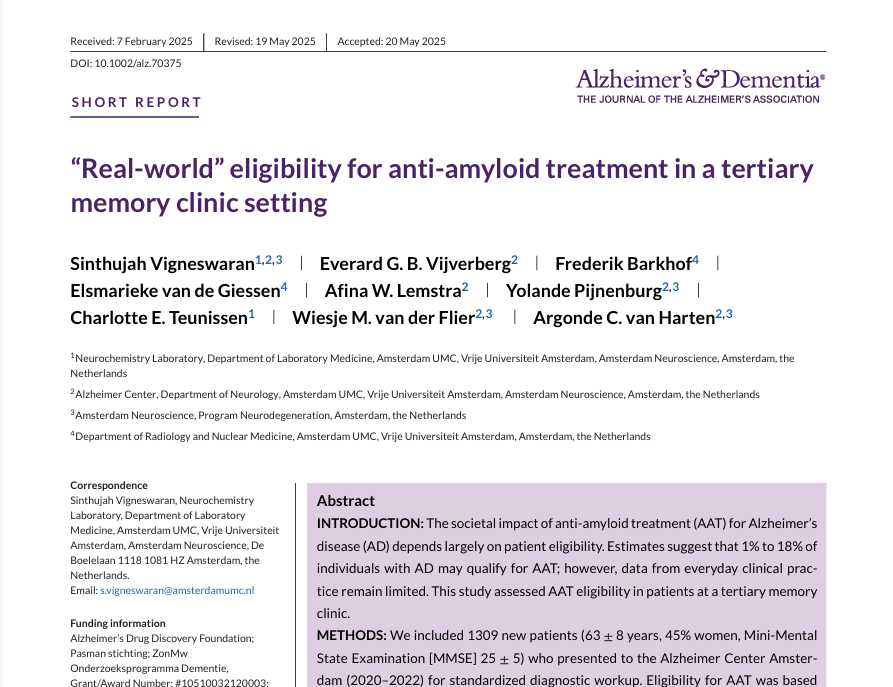
“Real‐world” eligibility for anti‐amyloid treatment in a tertiary memory clinic setting
Focus: The study focused on assessing the “real-world” eligibility of patients for anti-amyloid treatment (AAT) for Alzheimer’s disease (AD) within a tertiary memory clinic setting.
Method: The study aimed to determine the actual proportion of patients eligible for AAT by systematically applying lecanemab’s appropriate-use criteria to 1309 consecutive patients presenting to the Alzheimer Center Amsterdam between 2020 and 2022.
Finding: The study found that only a limited proportion of patients—specifically 6% of all new patients and 15% of those with a clinical diagnosis of mild cognitive impairment or AD—were eligible for AAT under current guidelines in a tertiary memory clinic setting.
Limitation: One limitation of this study is its relatively young patient population with a low comorbidity burden, which may affect the generalizability of the findings to older populations with more health issues.
Lecanemab: Appropriate Use Recommendations
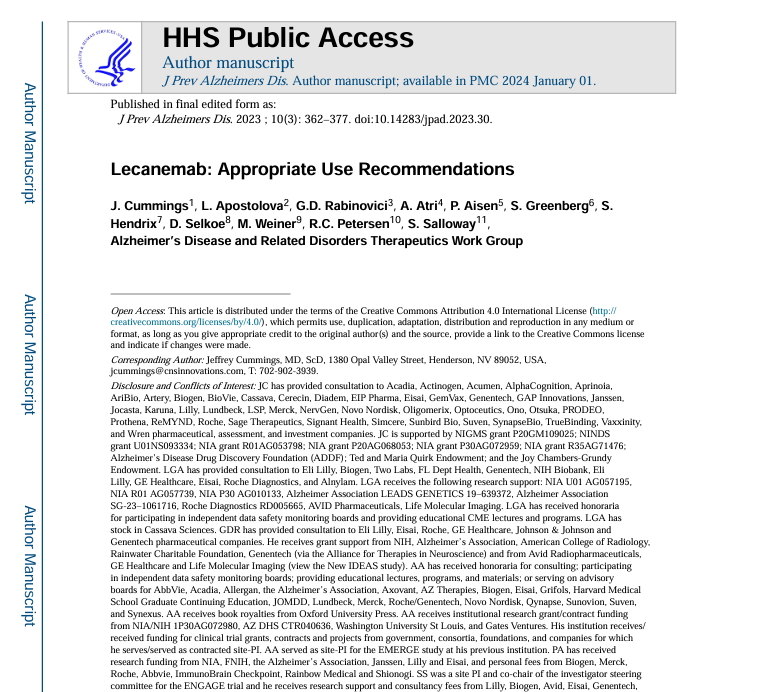
Focus: This study focuses on providing Appropriate Use Recommendations (AURs) to guide clinicians in introducing and administering lecanemab safely and effectively in real-world clinical practice for the treatment of AD.
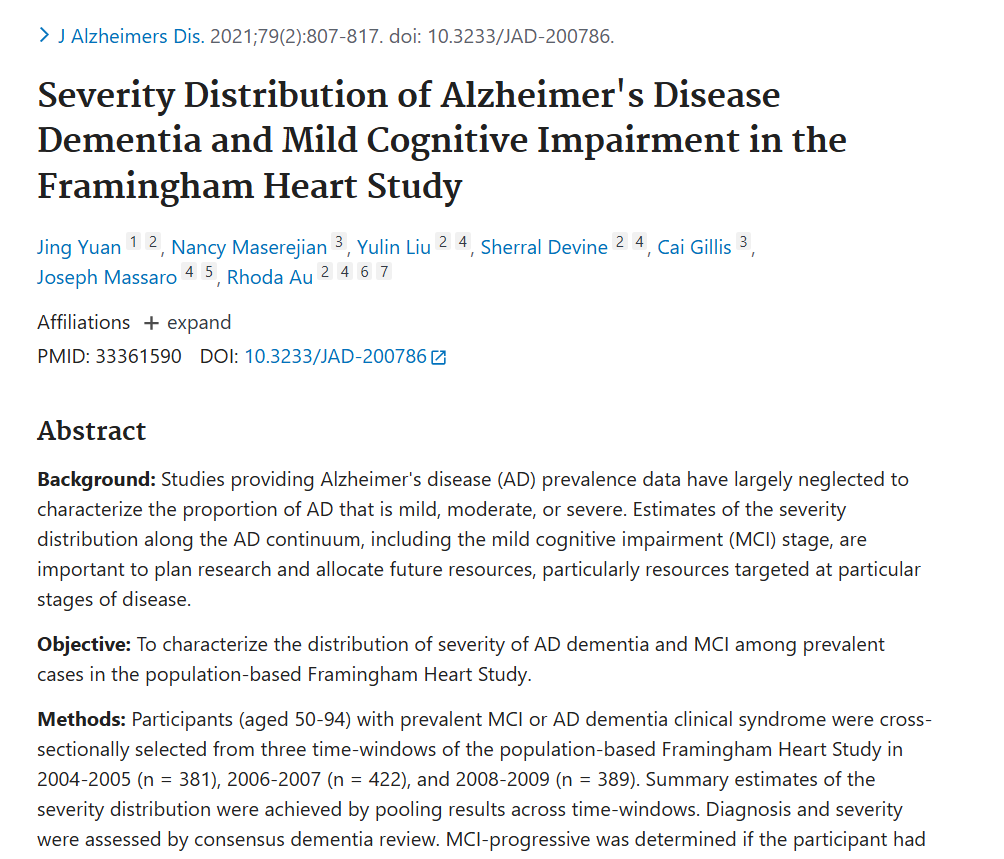
Severity distribution of Alzheimer’s disease dementia and mild cognitive impairment in the Framingham Heart Study
Focus: The study focuses on characterizing the distribution of severity of Alzheimer’s disease (AD) dementia and mild cognitive impairment (MCI) among prevalent cases in the population-based Framingham Heart Study.
Method: The study utilized a cross-sectional design, selecting participants aged 50–94 with prevalent MCI or AD dementia from three time-windows (2004-2005, 2006-2007, 2008-2009) of the population-based Framingham Heart Study. Diagnosis and severity were determined by a consensus dementia review, incorporating neuropsychological assessments, neurological examinations, family interviews, and FHS health records.
Findings: Approximately half of prevalent AD dementia cases were of mild severity.
Limitation: A limitation of the study was the lack of AD biomarker confirmation, such as amyloid, tau, or neurodegeneration markers, which could have increased the accuracy of case ascertainment.
Explore questions and research
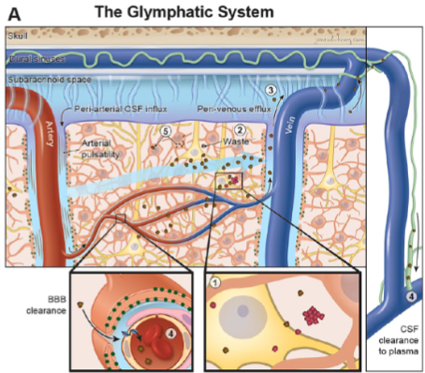
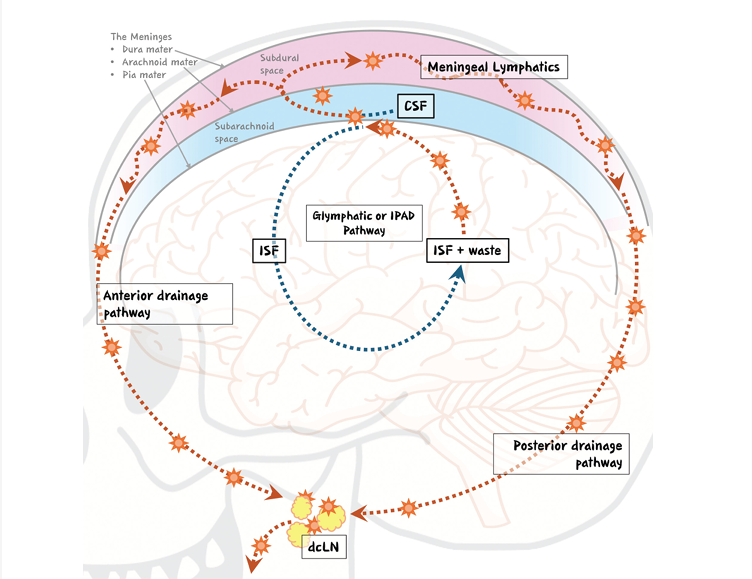
What evidence supports existence of glymphatic and meningeal lymphatic pathways?
Image Source: Nature
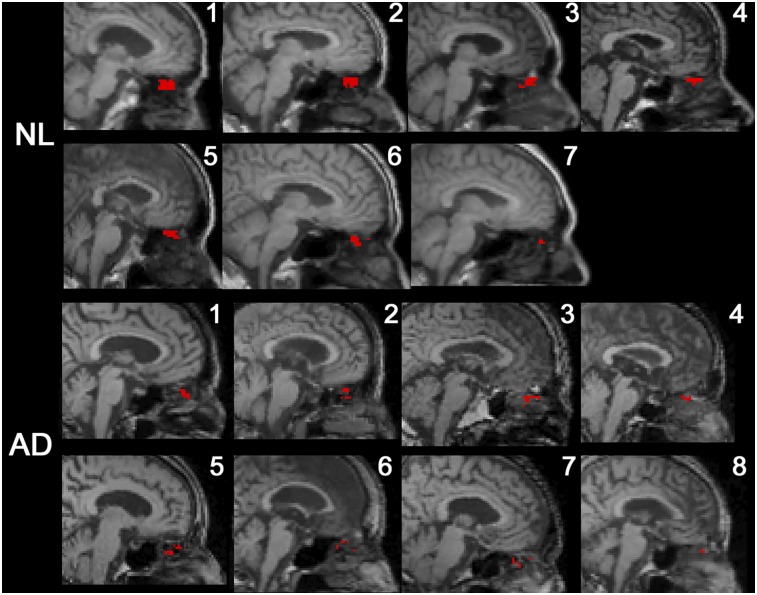
Is there a mechanical problem to be addressed?
Image Source: JNM
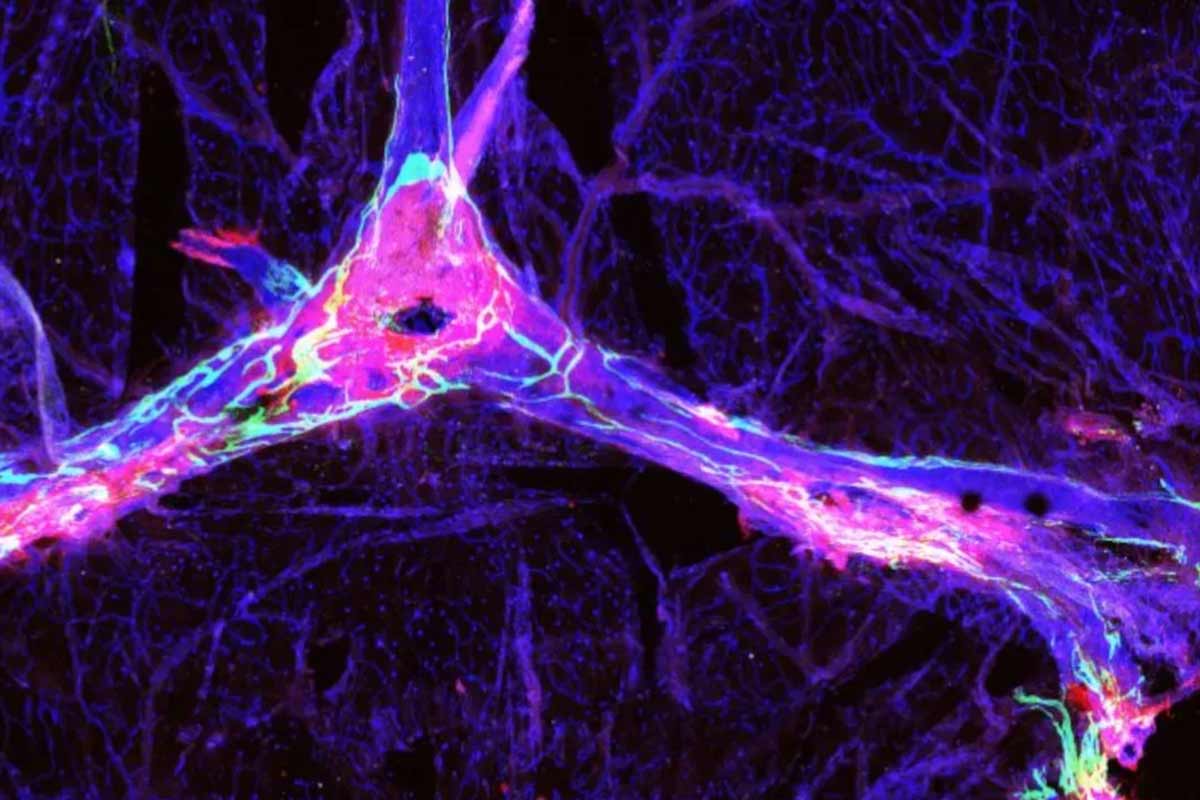
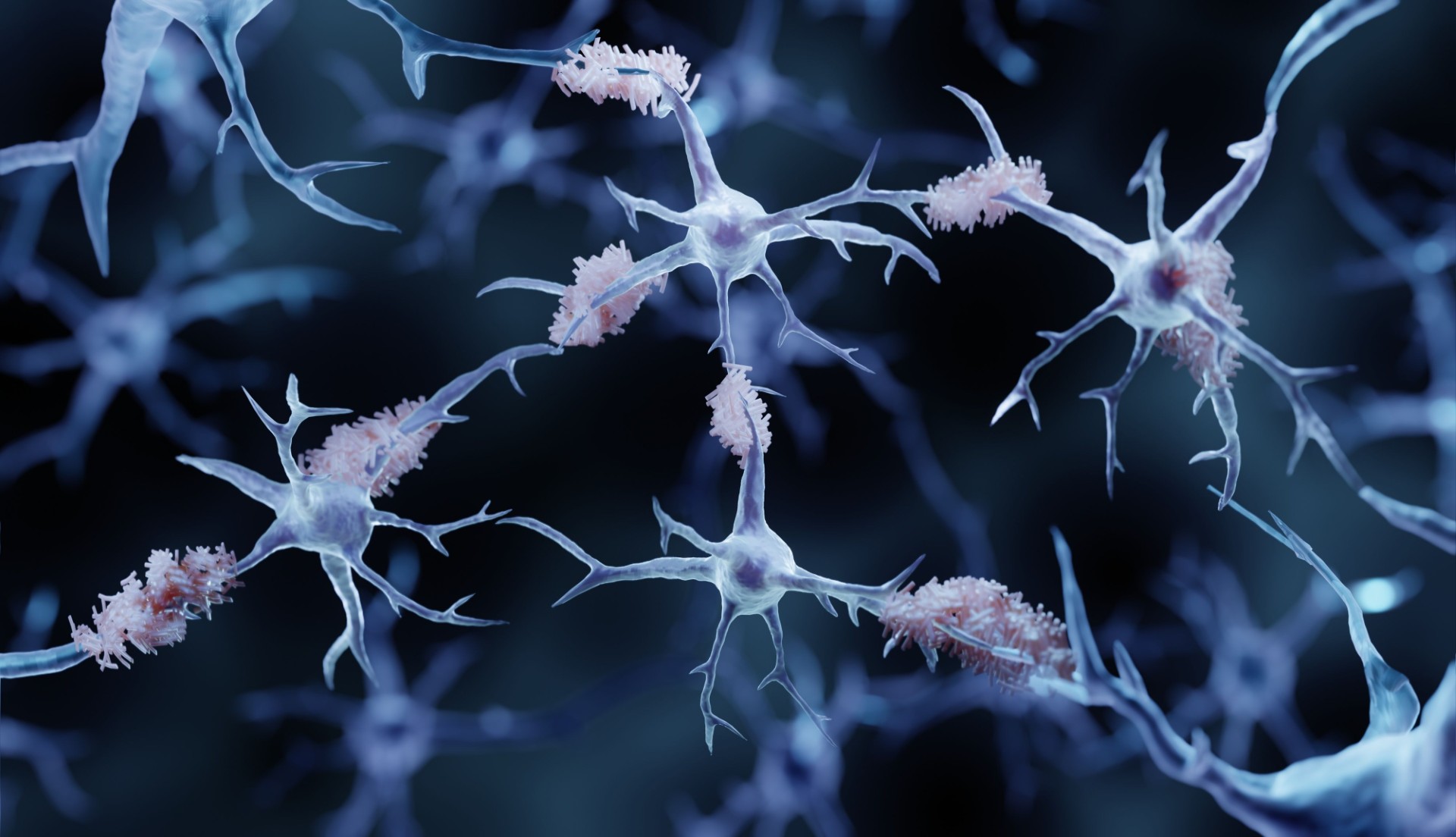
Is there a causal relationship between protein levels and cognitive/functional decline in Alzheimer’s disease patients?
Image Source: NIH News
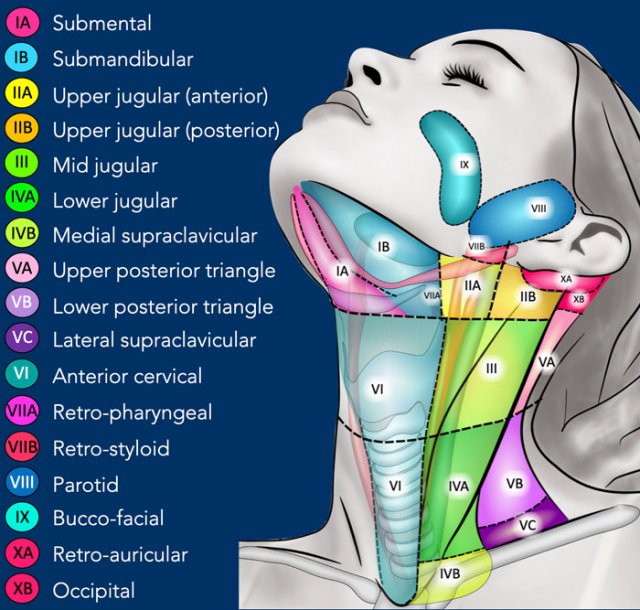
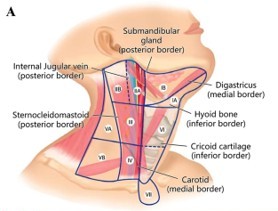
What is the anatomic target for a mechanical solution?
Image Source: The Radiology Assistant: Cervical Lymph Node Map
What’s the proposed procedure and should it be done in a supermicro fashion?
Image Source: APS
Is there evidence demonstrating the impact of the LVA/LNVA procedure in the neck?
Image Source: International Journal of Surgery
Pharmacologic treatments and severity distribution for Alzheimer’s disease
Image Source: NIH News
The information provided is solely for educational purposes relating to scientific information on the brain lymphatic system. Such summaries are not intended to mislead or omit information. Clinical studies and publications may be summarized herein. Click on each resource to access the full publication.
The safety and effectiveness of the Symani® Surgical System for lymphatic reconstruction for brain disease has NOT been established by any regulatory agency.
The Symani Surgical System is indicated in the U.S. for soft tissue manipulation in open microsurgical procedures to perform:
Anastomosis, suturing, and ligation microsurgery techniques on small blood vessels and lymphatic ducts between 0.1 and 2.5mm in open free-flap surgery of the breast, mouth, scalp, and extremities and in open lymphatic surgery of the extremities.
Dissection of soft tissues.
Clinical indications vary by geography. Refer to global indications for more information. For risks, cautions, warnings, and full prescribing information, please reference Symani safety and performance information.
