
LYMPHATIC RECONSTRUCTION FOR BRAIN DISEASE
Is there a causal relationship between protein levels and cognitive/functional decline in Alzheimer’s disease patients?
Clinical studies and publications are summarized herein by MMI and are not intended to mislead or omit information.
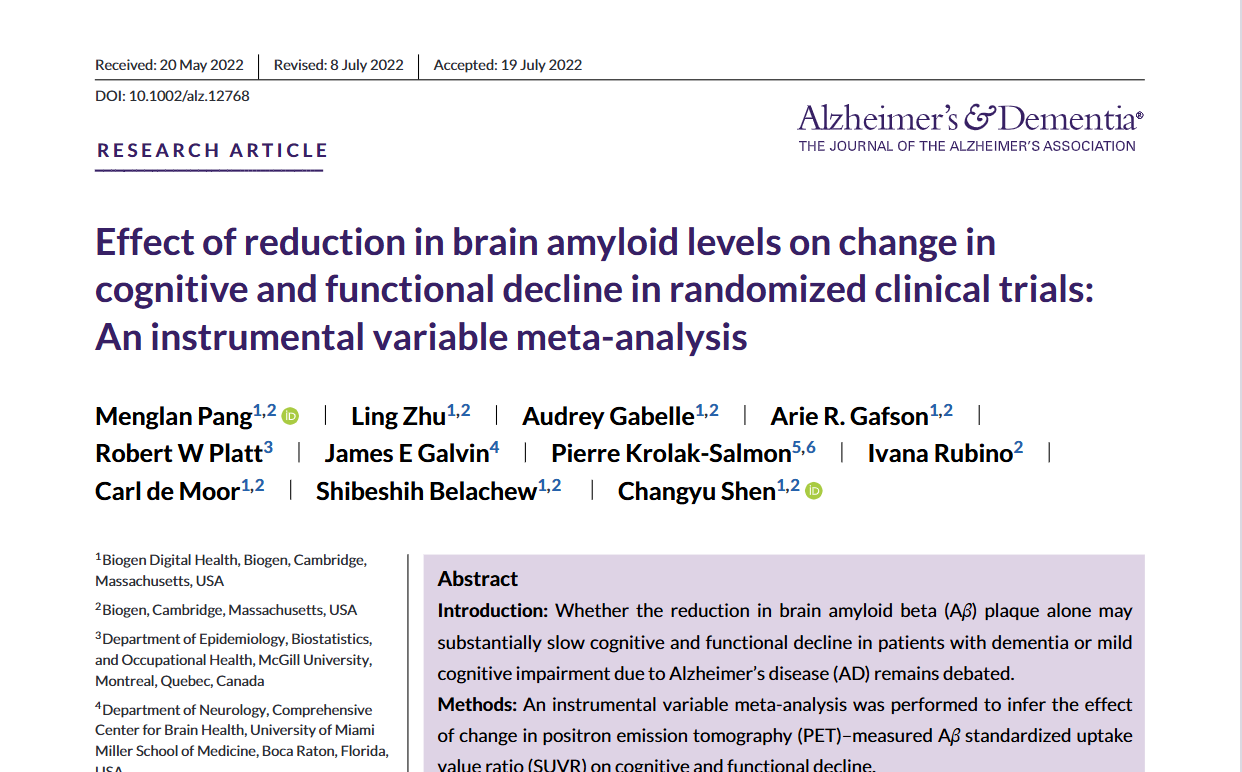
Effect of reduction in brain amyloid levels on change in cognitive and functional decline in randomized clinical trials: An instrumental variable meta-analysis
Focus: Effect of reducing brain Aβ plaque on cognitive and functional decline Alzheimer’s disease (AD) patients. Method: Instrumental variable meta-analysis.
Finding: “This meta-analysis provides statistically significant evidence of a likely causal relationship between a reduction in Aβ plaque and a reduction in cognitive and functional decline in patients with AD.“
Limitation: Combining individuals with varying stages of AD may complicate result interpretation.
Boosting brain’s waste removal system could improve Alzheimer’s outcomes

Focus: Does altering lymphatic drainage enhance the effectiveness of antibody treatments targeting amyloid-beta in a mouse model of early-onset AD?
Method: Removing lymphatic vessels or boosting with a growth factor and measuring Aβ accumulation.
Finding: Impaired lymphatic drainage increases Aβ and inflammation.
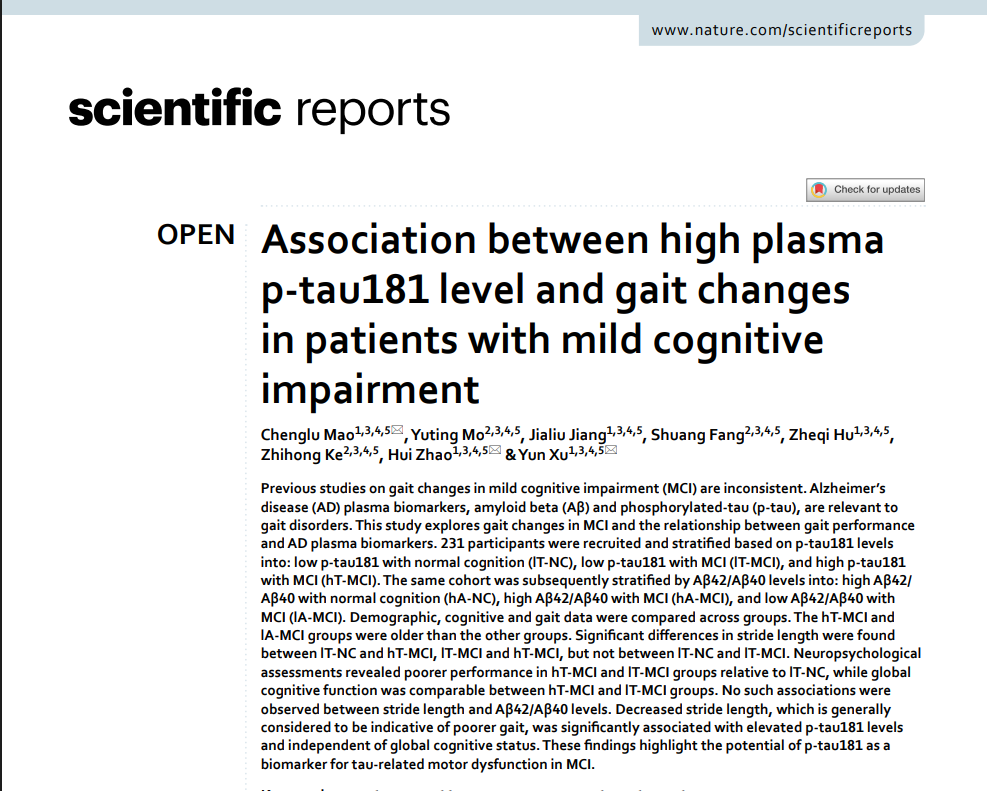
Association between high plasma p-tau181 level and gait changes in patients with mild cognitive impairment
Focus: Exploring gait changes in patients with mild cognitive impairment and the relationship between their gait performance and AD plasma biomarkers, specifically Aβ and p-tau181.
Method: This study recruited 231 participants with normal cognition or mild cognitive impairment and stratified them based on plasma p-tau181 and Aβ42/Aβ40 levels to analyze the association between AD plasma biomarkers, neuropsychological performance, and gait changes using quantitative motion assessment.
Findings:
1. High plasma p-tau181 levels are significantly associated with decreased stride length
2. No significant association between stride length and Aβ42/Aβ40 levels
3. Plasma p-tau181 has potential as a biomarker for tau-related motor dysfunction in MCI.
Limitation: A larger sample size is needed, and longitudinal studies are required to complete and enrich the research.
Pharmacological enhancement of glymphatic function in humans increases the clearance of Alzheimer’s disease-related proteins
Focus: The study focuses on demonstrating whether glymphatic transport in humans can be pharmacologically enhanced and if such enhancement improves the brain-to-blood clearance of Alzheimer’s disease-related proteins, specifically amyloid β (Aβ) and tau.
Method: The study utilized two cross-over clinical trials in healthy older adults: one testing intravenous dexmedetomidine and the other a fixed-dose combination (ACX-02) of intravenous dexmedetomidine and oral midodrine, each compared to a placebo. Participants underwent a 4-hour and 15-minute sleep opportunity, during which physiological determinants of glymphatic function were monitored and brain-to-blood clearance of Alzheimer’s disease-related proteins (Aβ and tau) was measured.
Finding: A key finding of the study is that pharmacological enhancement of glymphatic transport is achievable in humans and significantly increases the brain-to-blood clearance of Alzheimer’s disease-related proteins, Aβ and tau.
Limitation: One study limitation is that the participants were healthy older adults without established Alzheimer’s pathology or sleep disturbances, and the biomarker effects were measured after only a single intervention.
Explore questions and research
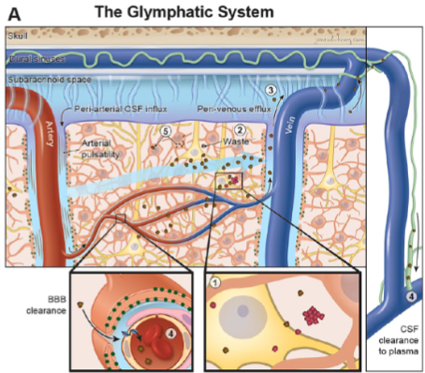
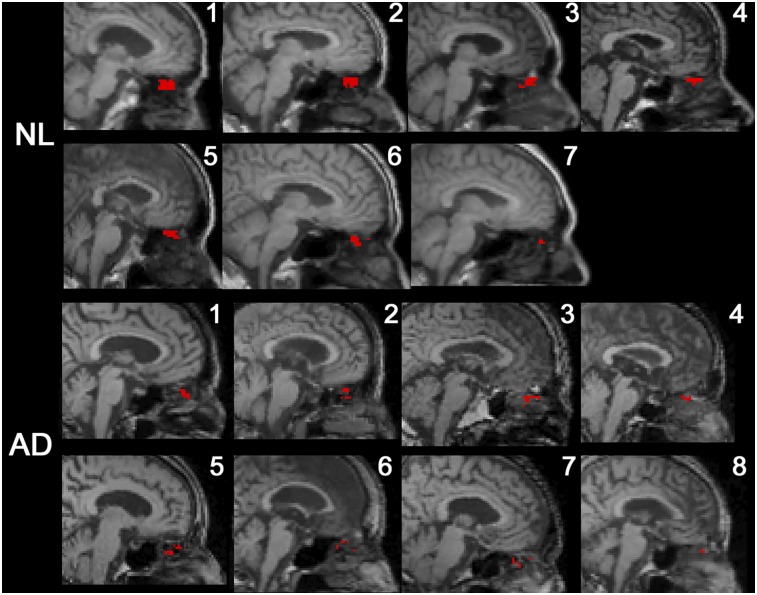
What evidence supports existence of glymphatic and meningeal lymphatic pathways?
Image Source: Nature
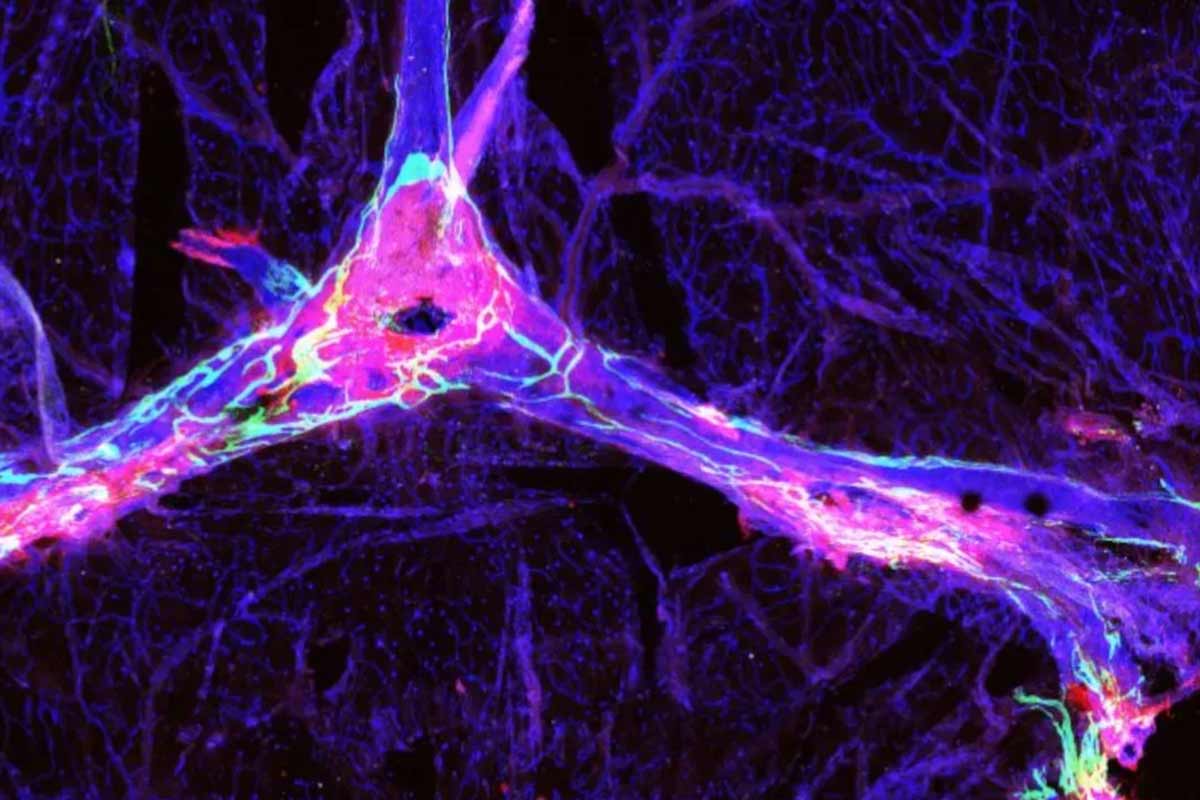
Is there a mechanical problem to be addressed?
Image Source: JNM
Is there a causal relationship between protein levels and cognitive/functional decline in Alzheimer’s disease patients?
Image Source: NIH News
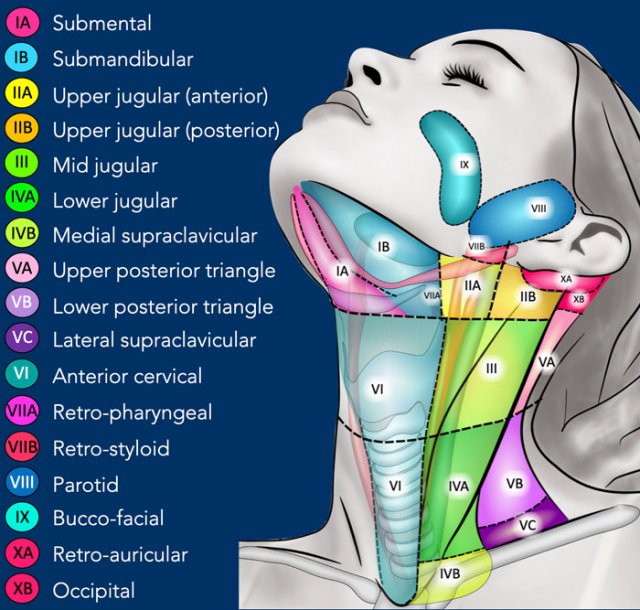
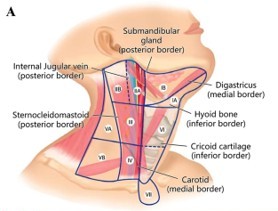
What is the anatomic target for a mechanical solution?
Image Source: The Radiology Assistant: Cervical Lymph Node Map
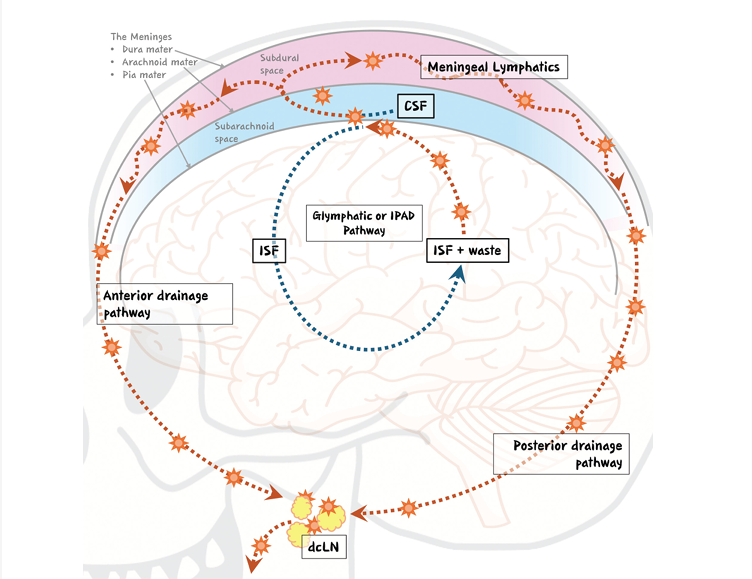
What’s the proposed procedure and should it be done in a supermicro fashion?
Image Source: APS
Is there evidence demonstrating the impact of the LVA/LNVA procedure in the neck?
Image Source: International Journal of Surgery
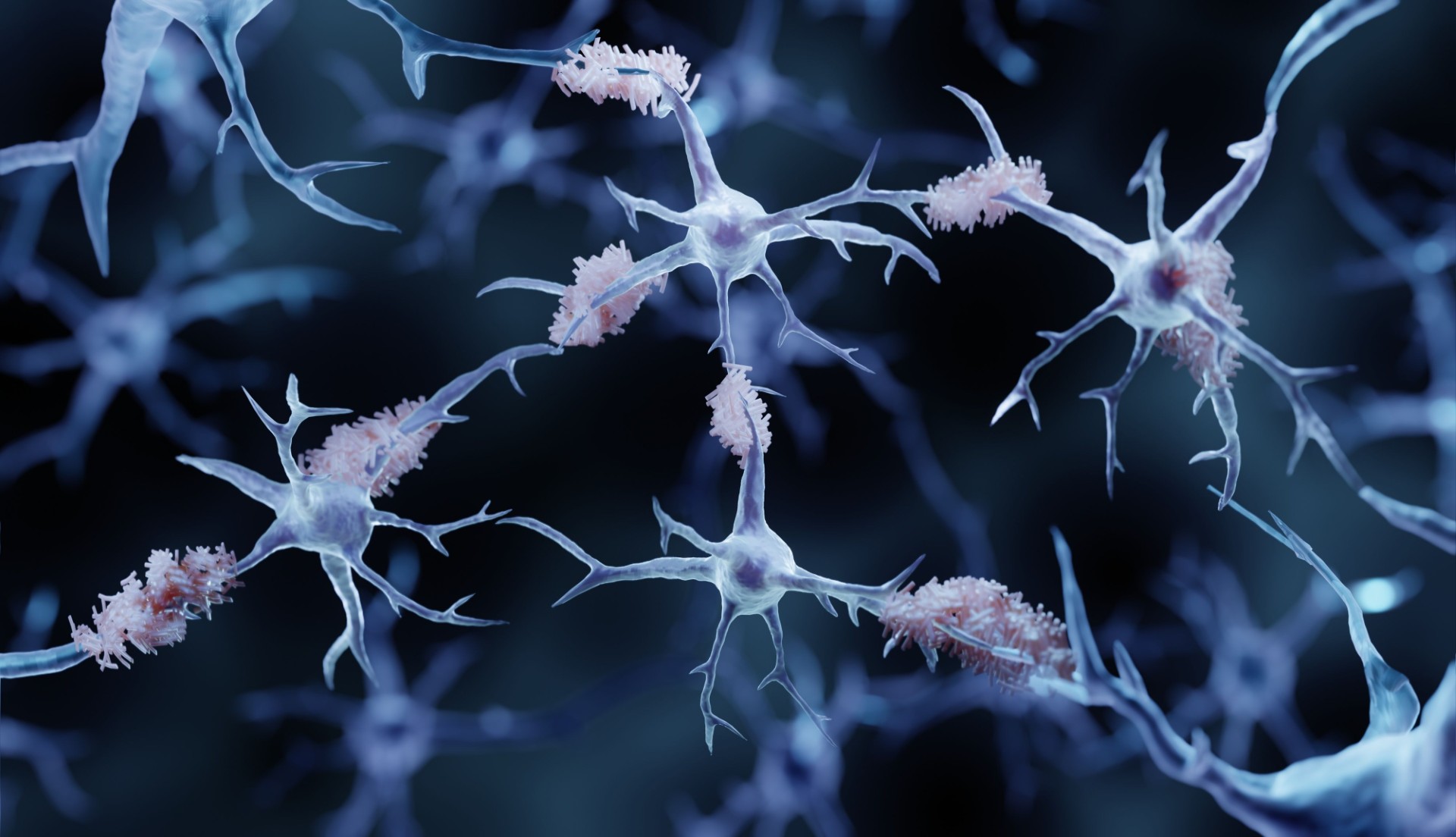
Pharmacologic treatments and severity distribution for Alzheimer’s disease
Image Source: NIH News
The information provided is solely for educational purposes relating to scientific information on the brain lymphatic system. Such summaries are not intended to mislead or omit information. Clinical studies and publications may be summarized herein. Click on each resource to access the full publication.
The safety and effectiveness of the Symani® Surgical System for lymphatic reconstruction for brain disease has NOT been established by any regulatory agency.
The Symani Surgical System is indicated in the U.S. for soft tissue manipulation in open microsurgical procedures to perform:
Anastomosis, suturing, and ligation microsurgery techniques on small blood vessels and lymphatic ducts between 0.1 and 2.5mm in open free-flap surgery of the breast, mouth, scalp, and extremities and in open lymphatic surgery of the extremities.
Dissection of soft tissues.
Clinical indications vary by geography. Refer to global indications for more information. For risks, cautions, warnings, and full prescribing information, please reference Symani safety and performance information.
